
Maintaining a healthy circulatory system is essential for overall vitality, yet many people overlook the signs of vascular disease until they experience significant discomfort or limited mobility. When arteries become narrowed or blocked by plaque—a condition known as atherosclerosis—blood flow to critical areas of the body can be restricted. For many residents of Southern Nevada, addressing these concerns early with expert medical intervention is key to preventing more serious cardiovascular events. If you are experiencing symptoms like persistent leg pain, cramping during physical activity, or cold extremities, consulting with a skilled vascular surgeon in Las Vegas can provide the diagnostic clarity needed to determine the best course of action.
The Role of Minimally Invasive Procedures in Vascular Care
Modern vascular medicine has shifted toward procedures that prioritize faster recovery times and less trauma to the body. Among these, angioplasty and stenting in Las Vegas have become standard, highly effective interventions for patients suffering from Peripheral Artery Disease (PAD) and other circulation-related conditions.
During an angioplasty, a specialized medical professional guides a thin catheter with a tiny balloon at its tip to the site of an arterial blockage. Once in position, the balloon is inflated, gently widening the artery and pressing the plaque against the vessel walls to improve blood flow. Frequently, a stent—a small, expandable mesh tube—is placed at the site of the widened artery to act as a permanent scaffold, ensuring the vessel remains open long after the procedure is complete. This combination approach is often favored for its ability to relieve symptoms without the need for traditional, invasive open-surgery techniques.
Read More: AI-POWERED IMAGING TECHNIQUES FOR PRECISION IN SPINAL FUSION SURGERY
Identifying When to See a Vascular Specialist
Circulatory problems often develop gradually, making it easy to dismiss early warning signs as mere fatigue or typical aging. However, being proactive is critical. You should consider reaching out to a vascular surgeon near me in Las Vegas if you notice any of the following recurring symptoms:
- Claudication: A feeling of cramping, pain, or heaviness in your legs, thighs, or buttocks that occurs during walking or exercise but subsides with rest.
- Skin Changes: Discoloration of the skin on your legs or feet, or the development of non-healing sores and ulcers.
- Temperature Sensitivity: Feet or toes that feel significantly colder than the rest of your body, often accompanied by a loss of hair on the lower legs.
- Persistent Numbness: A sensation of weakness or tingling in the legs that does not seem to be related to nerve issues.
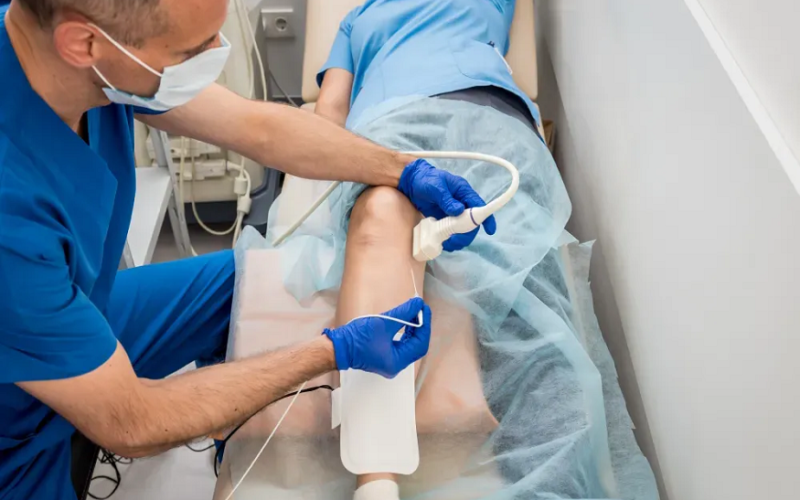
These symptoms often serve as the body’s way of signaling that arterial narrowing has reached a point where blood supply is no longer meeting the demands of the tissues. A professional evaluation can help identify the severity of the blockage through non-invasive testing, such as an Ankle-Brachial Index (ABI) test or a vascular ultrasound.
The Importance of Local Expertise and Comprehensive Diagnostics
When dealing with complex circulatory issues, geography and continuity of care matter. Patients in the Las Vegas valley benefit from a medical community that is well-versed in the unique lifestyle factors and demographics of the region. Whether you are living in Summerlin, Henderson, or near the heart of the Strip, finding local care ensures that you can attend follow-up appointments, physical therapy sessions, and routine screenings without the burden of extensive travel.
A comprehensive assessment is the hallmark of high-quality vascular care. Before any decision is made regarding angioplasty and stenting in Las Vegas, a qualified specialist will examine your complete medical history, lifestyle habits, and risk factors—such as blood pressure, cholesterol levels, and diabetes management. By looking at the patient as a whole, providers can ensure that a procedural intervention is the most appropriate step, rather than relying solely on medication or lifestyle modifications when structural blockages are present.
Lifestyle Factors: Supporting Your Vascular System
While medical intervention is sometimes necessary to clear severe blockages, the longevity of your vascular health depends heavily on the habits you maintain outside of the clinical setting. The Nevada climate, with its intense heat and dry air, requires special attention to hydration. Dehydration can lead to increased blood viscosity, which puts unnecessary strain on your circulatory system.
Beyond hydration, the “pillars of vascular health” remain consistent:
- Smoking Cessation: Smoking is the single greatest modifiable risk factor for PAD. It damages the lining of the arteries and accelerates plaque buildup.
- Controlled Movement: Regular, supervised walking programs are often prescribed to help improve collateral circulation in patients with mild to moderate arterial narrowing.
- Dietary Management: A heart-healthy diet rich in fiber and low in saturated fats helps stabilize cholesterol levels, which in turn slows the progression of atherosclerosis.
Integrating these habits alongside professional guidance from a vascular surgeon in Las Vegas creates a synergistic effect, maximizing the success rate of any vascular intervention you might undergo.
Evaluating Your Options for Care
When researching a vascular surgeon near me in Las Vegas, focus on identifying providers who emphasize patient education and transparent communication. A reputable specialist will take the time to explain the nuances of your diagnostic imaging, discuss the specific benefits and risks of any recommended procedure, and provide a clear recovery plan.
Questions you should feel comfortable asking your provider include:
- What is the specific location and severity of the blockage?
- Why is angioplasty preferred over alternative treatments in my specific case?
- What are the long-term lifestyle changes required to maintain the patency of the stent?
- How does this procedure integrate with my existing treatment plan for other conditions like hypertension or diabetes?
Good communication is essential, as the patient’s understanding of their own vascular health is the strongest predictor of long-term success. By being an active participant in your care—staying diligent with appointments and following prescribed recovery protocols—you can significantly improve your quality of life and maintain your mobility.
Looking Forward: Protecting Your Future Mobility
Vascular disease does not have to be a permanent limitation. With advancements in endovascular techniques, many patients find that they can return to their daily routines—walking, gardening, and enjoying the vibrant outdoor activities the region has to offer—with significantly less pain and improved energy.
Read More: DO’S AND DON’TS AFTER SPINE SURGERY
Whether you are seeking a second opinion or are just beginning to notice the early signs of circulation-related discomfort, reaching out to a qualified specialist is the right move. The technology behind angioplasty and stenting in Las Vegas continues to evolve, making it safer and more effective than ever before. By addressing arterial health today, you are not just treating a current symptom; you are safeguarding your ability to stay active and independent for years to come. Do not ignore the signals your body is sending; professional guidance is the bridge between current discomfort and future comfort.