

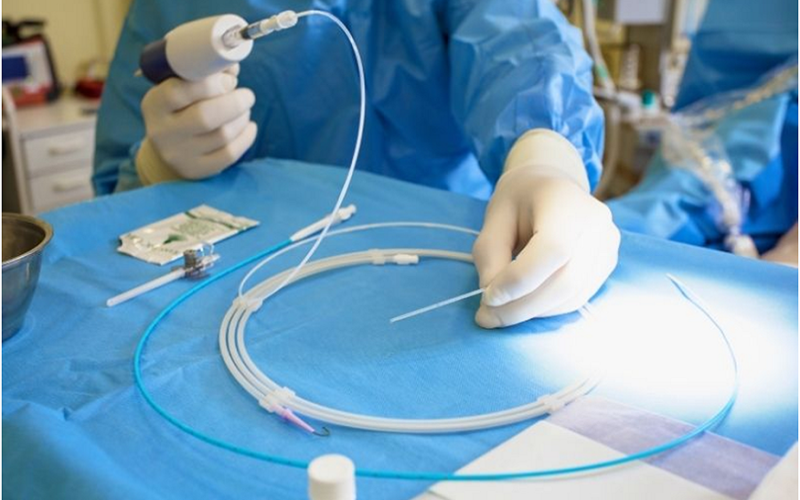
Hospitals rarely choose imaging technology in calm or simple conditions. Decisions often happen during budget reviews, staff shortages, and growing case lists, while everyone quietly worries about safety and timing. Under that pressure, it is easy to focus on brochures, discounts, or delivery dates and forget the daily reality in procedure rooms. Choosing an endovascular device supplier is really about who shows up when cases are complicated, when timelines slip, or when systems behave in ways nobody expected. The habits behind that partnership decide how stable, predictable, and safe clinical work feels over the years.
Why Consistency Matters More Than Features
On paper, many systems look similar. Each promises clear images, modern interfaces, and flexible configurations. In real life, teams pay closer attention to how reliably everything works together across busy lists, night shifts, and emergency add-ons. A hospital wants tools that do not surprise staff on hectic days. When they evaluate an endovascular device system designed for complex multi-vessel interventions, they look at how it behaves in routine and stressful situations, not only in controlled demos. A platform that keeps workflows steady day after day quietly protects both confidence and patient safety.
How Teams Judge Real-World Performance
Clinical performance usually comes before price once people move beyond sales language. Committees ask how well imaging holds up in difficult anatomy, how stable contrast flow appears, and whether dose levels stay within expected ranges. They ask other centers for honest stories about uptime, quirks, and learning curves. During trials, clinicians notice how the system feels when tables move, when angles change quickly, and when something unexpected happens mid-case. A partner that understands the tempo of minimally invasive vascular procedures helps staff stay focused on patients instead of wrestling with settings or sudden alarms that break concentration.
Service Behavior on Difficult Days
Most suppliers look supportive when everything works. The real test usually appears when a fault warning flashes five minutes before a full list or late on a weekend. Hospitals watch how quickly calls are answered, how clearly technicians explain options, and whether temporary fixes are safe and realistic. A responsive endovascular device supplier treats those moments as shared responsibility, not a contract argument. When engineers arrive prepared, admit limitations honestly, and stay until the team feels stable again, trust grows. That kind of behavior lowers stress in control rooms and makes staff more willing to explore advanced uses over time.
A Structured Checklist Hospitals Rely On
Hospitals that avoid costly surprises rarely rely only on intuition. They built a simple, repeatable review checklist that looks beyond polished slides, such as:
- How the system will be used across different specialties and case mixes
- What training is needed for new staff and rotating residents
- How service coverage works in evenings, nights, and holidays
- Whether upgrades and software changes are realistic within existing budgets
- How the platform connects with imaging archives and reporting tools
This structure keeps discussions grounded. Clinical, technical, and financial teams can discuss the same evidence rather than defending separate concerns, leading to calmer decisions.
Partnership Signals That Show Up Years Later
The true nature of a partnership usually emerges after the first year, once launch meetings fade and the hospital settles into its normal rhythm. Teams notice whether post-installation reviews still occur, whether recurring small issues are tracked rather than ignored, and whether configuration changes are handled patiently. They also see how open the supplier is to feedback when protocols change or new specialists join. Over time, a manufacturer that listens, adjusts, and explains trade-offs clearly becomes part of the clinical fabric. That attitude can matter as much as hardware quality in keeping procedures steady and staff grounded.
Conclusion
The deeper consequences of device choices often surface slowly, as workloads grow and cases become more complex. Hospitals that slow down at the buying stage, ask precise questions, and demand proof from real practice protect more than their capital budgets. They also protect the daily rhythm of care, reduce preventable staff tension, and keep rooms ready for demanding cases rather than leaving them in a fragile state.
Nexamedic fits into this quieter, long-term view by focusing on realistic guidance, careful rollout support, and steady follow-up instead of quick wins, helping hospitals build device programs that remain dependable as patients, teams, and expectations continue to change.
FAQs
Q1. Why do hospitals spend so long evaluating device partners?
Because these decisions affect years of routines, not just installation week, a careful review reduces the risk of hidden costs, workflow disruptions, or support gaps that emerge later, when pressure is highest.
Q2. What signs suggest a supplier will be reliable in practice?
Clear communication, honest answers about limits, and transparent service arrangements are good signs. Feedback from other hospitals using the same platform often reveals how a partner behaves when things do not go as planned.
Q3. How can clinical teams influence the final choice?
By sharing everyday realities early, joining demos, and asking scenario-based questions. When clinicians describe real case challenges, decision-makers can see which solutions genuinely support care rather than just look good in presentations.