

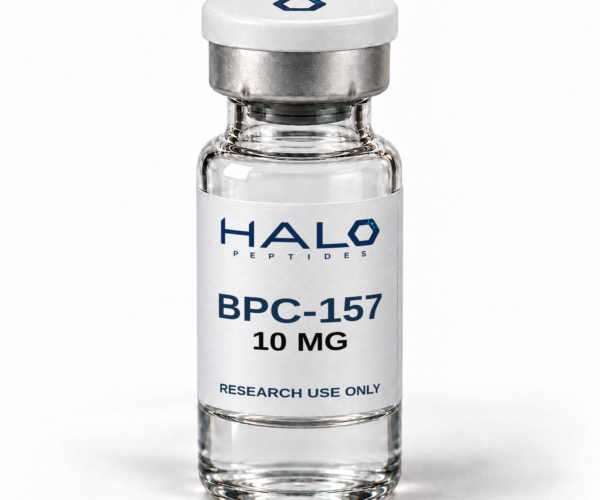
Peptides are short chains of amino acids which can affect important processes in the human body. They are examined to gain a better understanding of disease, for the development of medically active compounds and to create better methods of targeting biological targets with treatments. Those looking to buy peptides online should be aware of its importance in medicine and science, and how a small molecule can have a profound impact on a science that is still in its early stages.
Why Researchers Value Peptides
Peptides can show great selectivity towards biological targets and can be valuable when researchers are looking to affect a specific pathway. Their structures can also be changed to optimize properties like activity, stability and duration of action. This adaptability makes it easier for scientists to develop drugs that mimic natural signals or disrupt abnormal processes formed by diseases.
Read More: A Jamaica Estates Patient Guide to Oral Surgery Requirements
Researchers are more carefully studying post-administration peptide behaviour as well. For a useful sample to be an active material in a laboratory experiment, they have to get to the right place, stay there for the right amount of time, and the safety profile must be acceptable. That is why formulation, dosage and delivery routes are key to the peptide development process, as is, of course, clinical testing.
How Peptide Research is Moving Forward
Research in peptides is a blend of chemistry, biology, medicine, and computation. Peptide sequences can be studied and screened, 3D peptide structures can be extensively studied, and computer-based methods can be employed to identify promising peptide sequences. Important goals include:
- Improving resistance to breakdown by enzymes.
- Developing better ways to deliver peptides to their intended sites.
- The development of more discriminatory molecules for disease-related targets.
Peptides as Research Probes
Peptides might also be used as research tools, so that scientists can investigate the pathways in the body and determine if a therapeutic strategy is feasible. Experimental peptides can be inhibitors of a protein interaction, or activators or mimics of a naturally occurring signal. The value of peptide research in drug development, but also for basic biomedical discovery, is that this is the case.
The Future of Peptide-Based Medicine
More accurate and effective designs and delivery methods should be expected as the next step in peptide research. The use of advances in structural biology and computational modelling could prove useful in predicting how a peptide will interact with its target before a lot of work is performed in the laboratory. Meanwhile, clinical research will also be integral, and while laboratory research may yield a promising result, this does not necessarily mean that the peptide is safe and effective in patients.
Read More: Enhancing Your Smile and Skin: A Comprehensive Guide to Aesthetic Treatments in San Francisco
Today, peptides are being used in medical research for a range of purposes and have progressed beyond being used as individual natural biological signals to full-fledged tools in modern medical research. Their capacity to recognize certain biological targets provides scientists with valuable opportunities for studying diseases and for creating new treatments. Peptides have the potential to persevere as a major component in the quest for new medical treatments, as researchers will continue studying their design, stability, and delivery.